What Is Menorrhagia?
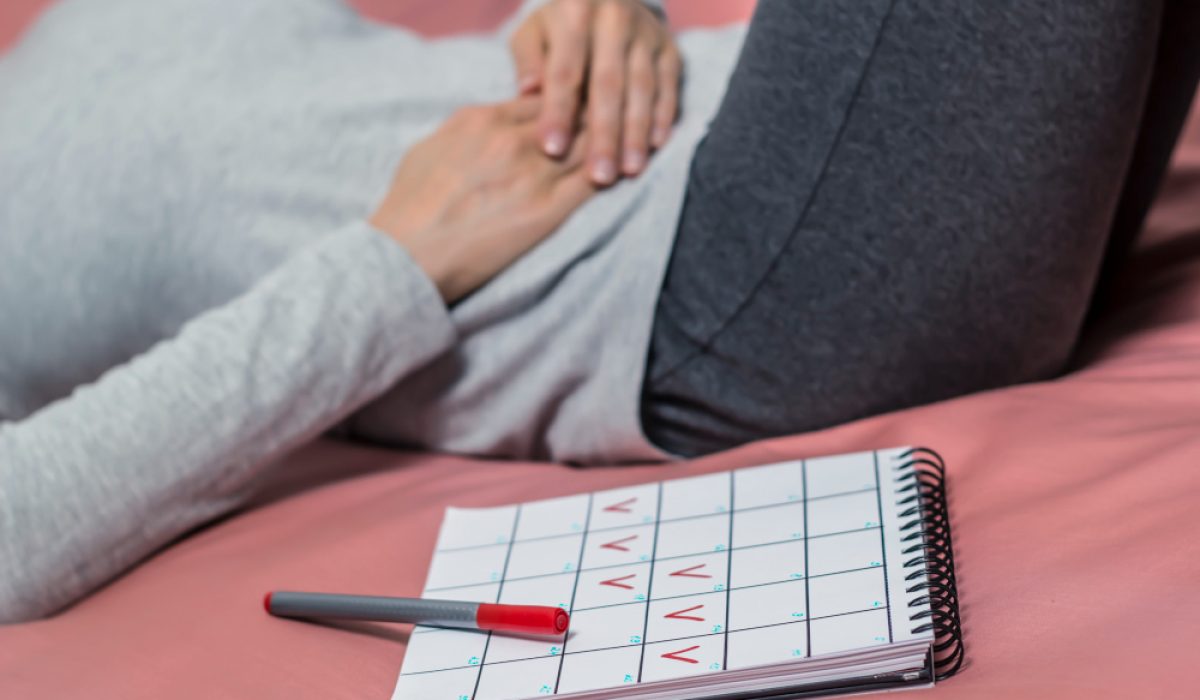
Menorrhagia is the medical term for heavy menstrual bleeding. Many women experience some changes in their periods, but menorrhagia means bleeding that is much heavier or lasts longer than normal. For example, you may need to change pads or tampons every hour. Sometimes, you may even pass large blood clots. Because of this, daily life can become difficult. According to the CDC, menorrhagia affects many women at some point in their lives.
Common Symptoms of Menorrhagia
It is important to know the signs of menorrhagia. While every woman’s period is different, some symptoms are more common with this condition. For instance, you may notice:
Sometimes, these symptoms can affect your daily activities. If you notice any of these signs, you should talk to your doctor.
Causes of Menorrhagia
There are many possible causes of menorrhagia. Sometimes, the cause is clear. Other times, doctors may need to do tests to find out why it is happening. Common causes include:
In some cases, no clear cause is found. However, doctors can still help manage the symptoms.
How Menorrhagia Is Diagnosed
Doctors use several steps to diagnose menorrhagia. First, they will ask about your medical history and menstrual cycles. Next, they may do a physical exam. Because other conditions can cause heavy bleeding, your doctor may order tests, such as:
With these tests, your doctor can find the cause and suggest the best treatment.
Treatment Options for Menorrhagia
Treatment for menorrhagia depends on the cause, your age, and your health. Sometimes, simple changes or medicines can help. In other cases, procedures or surgery may be needed. Common treatments include:
Your doctor will help you choose the best option for your needs. According to the World Health Organization, most women find relief with the right treatment.
Lifestyle Tips and Prevention
While you may not always prevent menorrhagia, some steps can help you manage symptoms. For example, you can:
With these tips, you can feel more in control of your health. However, always seek medical advice if symptoms worsen.
When to See a Doctor
Sometimes, heavy periods are a sign of a serious problem. You should see a doctor if you:
Early treatment can help prevent complications. Therefore, do not wait to seek help if you notice these signs.
Consult a healthcare professional for personalized advice about menorrhagia.