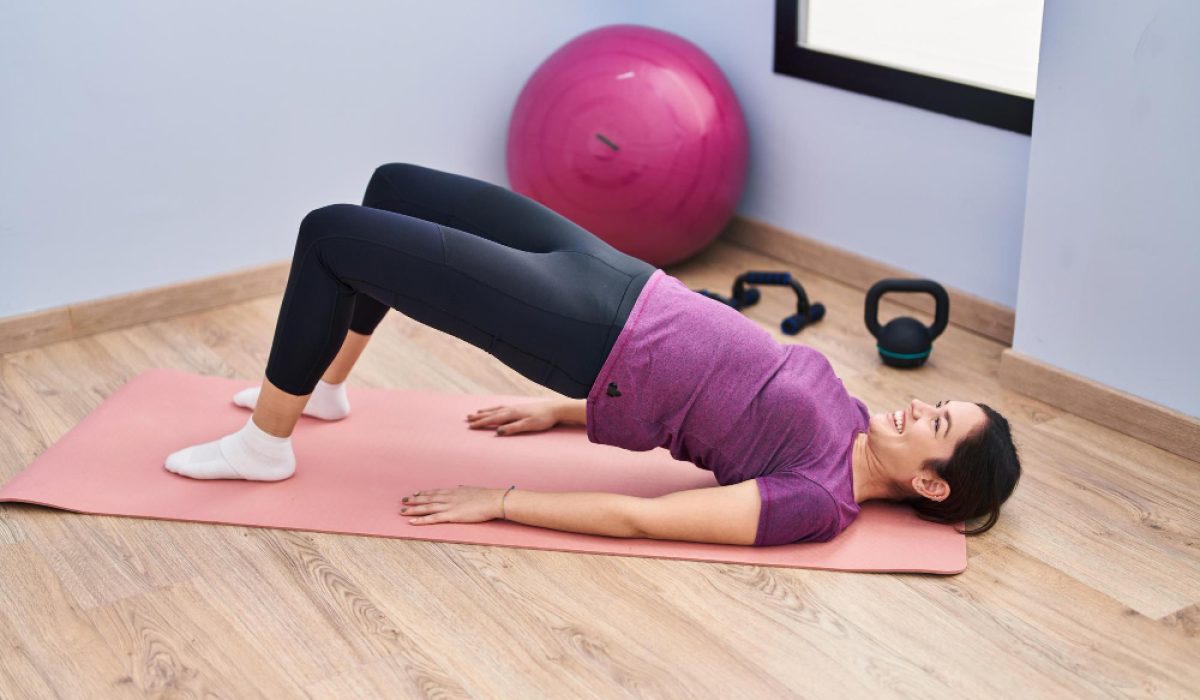
What Are Pelvic Floor Exercises?
Pelvic floor exercises are simple movements that help strengthen the muscles at the bottom of your pelvis. These muscles support your bladder, uterus, and bowel. Because they are so important, keeping them strong is key for women’s health. Often, these exercises are called Kegel exercises. Many women can do them at home, and they do not need special equipment. In fact, pelvic floor exercises are a popular part of women’s wellness routines worldwide.
Key Benefits for Women’s Health
Pelvic floor health for women is important at every age. When you practice these exercises, you may notice many benefits. For example, they can:
Additionally, strong pelvic muscles can boost your core strength. According to the CDC, regular exercise, including pelvic floor movements, supports overall women’s wellness.
Common Symptoms of Pelvic Floor Dysfunction
Sometimes, pelvic floor muscles become weak or too tight. As a result, you may notice certain symptoms. Watch for these signs:
If you have any of these symptoms, pelvic floor exercises may help. However, it is important to talk to a healthcare provider if symptoms persist.
How to Perform Pelvic Floor Exercises
Anyone can learn how to do pelvic floor exercises. Follow these easy steps:
Remember, do not hold your breath. Also, avoid tightening your stomach, leg, or buttock muscles. Over time, these women’s wellness exercises can make a big difference.
Prevention and Lifestyle Tips
Besides doing pelvic floor exercises, you can protect your pelvic health in other ways. For instance:
In addition, drinking enough water and avoiding smoking can help your pelvic floor stay strong. These simple steps support women’s wellness at every stage of life.
When to Seek Medical Advice
Although pelvic floor exercises are safe for most women, sometimes you may need extra help. For example, if you have ongoing pain, leaks, or trouble doing the exercises, talk to a women’s health specialist. Early support can prevent problems from getting worse. In some cases, a physical therapist trained in pelvic floor health for women can guide you.
In summary, pelvic floor exercises offer many benefits for women’s health. They are easy to learn and can be done almost anywhere. However, if you have concerns, do not wait. Consult a women’s health specialist for personalized advice on pelvic floor exercises.